Is Yoga Mat Necessary for Exercise?
A yoga mat isn’t mandatory for every exercise, but it becomes important for workouts that involve floor contact, stretching, or balance. It provides grip, cushioning, and comfort, helping reduce strain on joints and lowering the risk of slipping or minor injuries during exercise.
Key Takeaways
- ✔ A yoga mat is not mandatory for every exercise, but it is highly useful for floor-based workouts.
- ✔ It provides cushioning that helps protect joints like knees, elbows, and the lower back.
- ✔ Anti-slip surfaces improve balance and reduce the risk of slipping during exercise.
- ✔ Yoga mats also create a cleaner and more comfortable workout space at home.
✔ For regular home workouts, a yoga mat significantly improves comfort and safety.
Is a Yoga Mat Necessary for All Types of Exercise?

A yoga mat isn’t equally necessary for every type of exercise. Whether you need one depends on how much floor contact, balance, and joint pressure your workout involves.
Some exercises can be done without a mat, while others become uncomfortable or unsafe without one.
Floor Exercises and Bodyweight Workouts
For exercises that involve sitting, kneeling, or lying on the floor, a yoga mat is highly recommended. Movements like planks, crunches, leg raises, push-ups, and stretching place direct pressure on your knees, elbows, hips, and lower back. A yoga mat provides cushioning that reduces discomfort and helps prevent strain, especially during longer workout sessions.
Standing Workouts and Cardio Exercises
Standing exercises such as squats, lunges, jumping jacks, or jogging in place do not always require a yoga mat. If you are wearing proper athletic shoes and exercising on a non-slippery surface, you can usually perform these movements without one. However, a mat can still help by defining a stable workout area and reducing the risk of slipping on smooth floors.
Yoga, Pilates, and Stretching Routines
For yoga, pilates, and flexibility-focused workouts, a yoga mat is almost essential. These exercises rely heavily on balance, controlled movement, and sustained poses. An anti-slip surface helps maintain proper form, while cushioning supports joints during seated and lying positions. Practicing these routines without a mat can quickly lead to discomfort and reduced stability.
5 Benefits of Using a Yoga Mat During Exercise

Even if a yoga mat isn’t strictly required for every workout, it offers several important benefits that improve both comfort and safety. For regular home exercisers, these advantages make a noticeable difference.
✔ 1. Better Grip and Stability
A quality yoga mat provides an anti-slip surface that keeps your hands and feet stable during movement. This is especially helpful for planks, lunges, and balance exercises.
✔ 2. Joint Protection and Cushioning
Hard floors can place stress on your knees, elbows, and back. A yoga mat adds cushioning that reduces pressure and makes workouts more comfortable.
✔ 3. Reduced Risk of Injury
Stability and cushioning work together to reduce strain and prevent injuries during transitions and movements.
✔ 4. Improved Comfort and Focus
When you're comfortable, you can focus better on your form, breathing, and performance.
✔ 5. Cleaner and More Hygienic Surface
A personal yoga mat provides a clean workout area that can easily be wiped after each session.
Can You Exercise Without a Yoga Mat?
Yes, you can exercise without a yoga mat, but it depends on the type of workout and the surface you’re using. A mat is not a strict requirement for movement, but skipping it may reduce comfort, stability, and joint protection.
If you are doing short standing workouts on a non-slippery surface while wearing proper shoes, you may not feel the need for a mat. Many cardio routines and strength exercises can be performed directly on the floor without major issues.
However, when exercises involve direct contact with hard flooring such as planks, crunches, stretching, or yoga poses, discomfort becomes noticeable. Over time, exercising on bare tiles or marble can strain knees, elbows, and the lower back.
In addition, smooth surfaces can become slippery with sweat, increasing the risk of losing balance.
So while exercising without a yoga mat is possible, using one makes workouts safer, more comfortable, and more sustainable, especially for regular home fitness routines.
When Should You Definitely Use a Yoga Mat?
While some exercises can be done without a mat, there are situations where using a yoga mat is strongly recommended for comfort and safety.
You should definitely use a yoga mat if:
-
You exercise on hard floors such as tiles, marble, or wood, where there is no natural cushioning.
-
Your workouts include floor-based movements like planks, sit-ups, glute bridges, or stretching.
-
You practice yoga, pilates, or mobility routines that require balance and controlled poses.
-
You experience knee, elbow, or lower back discomfort during workouts.
-
You work out regularly at home, as repeated pressure on joints can cause strain over time.
-
You are a beginner, since a mat helps improve confidence, stability, and overall workout comfort.
In these situations, a yoga mat is more than a convenience, it becomes an important support tool that helps you exercise safely and consistently.
How to Choose the Right Yoga Mat for Exercise

If you’ve decided that a yoga mat is worth using, the next step is choosing the right one. Not all mats are the same, and selecting the proper type can improve your workout experience significantly.
Here are the key factors to consider:
Thickness
Yoga mats typically range from 4mm to 10mm in thickness.
- 4–6mm: Ideal for balance-focused exercises and yoga. Provides stability with light cushioning.
- 8–10mm: Best for floor workouts and extra joint support, especially for knees and back.
If you mainly do home workouts, a slightly thicker mat provides better comfort.
Anti-Slip Surface
Grip is one of the most important features. A non-slip surface prevents your hands and feet from sliding during exercises like planks, lunges, or stretching. This reduces injury risk and helps maintain proper form.
Material Quality
Look for durable materials that:
- ✔ Do not tear easily
- ✔ Maintain shape after repeated use
- ✔ Are easy to clean
A high-quality mat will last longer and maintain cushioning over time.
Size
Make sure the mat is long and wide enough for your height and workout style. Standard mats work for most users, but taller individuals may prefer extra length.
Easy Maintenance
Sweat and dust accumulate quickly. A mat that is easy to wipe clean ensures better hygiene and long-term usability.
Best Yoga Mats and Exercise Mats for Home Workouts
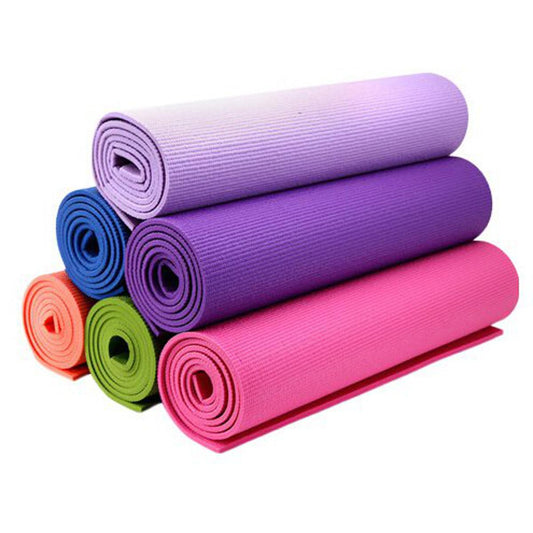
If you work out at home regularly, using proper exercise equipment can significantly improve comfort, stability, and workout effectiveness. A quality yoga or exercise mat creates a safe, supportive surface that helps you stay consistent with your routine.
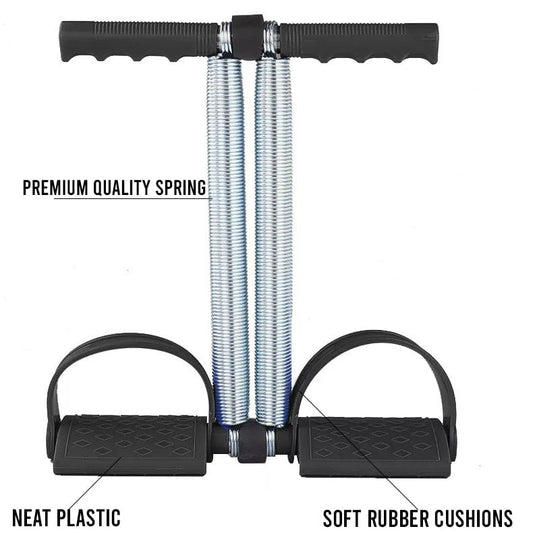
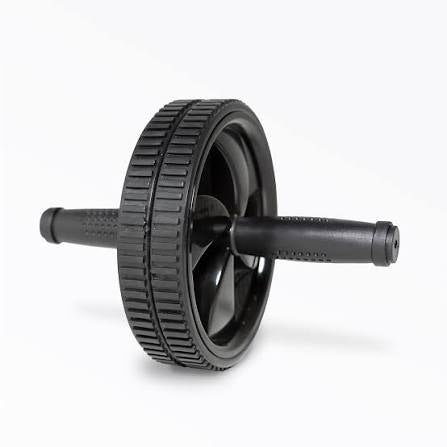
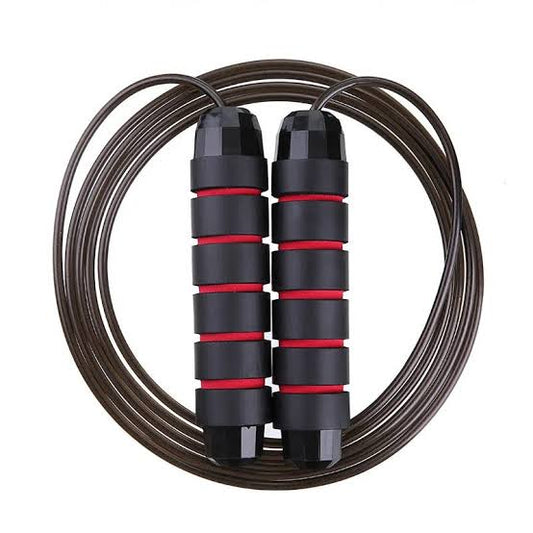
At Sonic Sports, our Yoga Mats & Exercise Accessories collection is designed for home fitness users who want reliable support for stretching, floor exercises, yoga, and bodyweight training. Whether you prefer classic yoga routines or general home workouts, the right mat makes every movement more comfortable.
Our collection features products designed to support home exercise, including:
-
✔ Anti-slip yoga mats that provide strong grip on tiles and smooth floors
-
✔ Comfortable thickness options to reduce pressure on knees, elbows, and joints
-
✔ Durable materials suitable for daily home workouts
-
✔ Easy-to-clean surfaces for better hygiene
-
✔ Exercise accessories like yoga balls, ideal for core workouts, balance training, and stretching
-
✔ Affordable pricing tailored for fitness users in Pakistan
Instead of relying on towels or hard flooring, using proper workout mats and accessories helps create a dedicated exercise space that supports better form, safety, and long-term comfort.
Explore our Yoga Mats & Exercise Accessories
Final Verdict: Is a Yoga Mat Necessary for Exercise?
A yoga mat is not strictly necessary for every exercise, but it becomes essential for floor-based workouts, stretching, yoga, and balance-focused routines. It improves comfort, protects joints, and reduces the risk of slipping, especially on hard home floors.
For occasional standing exercises, a mat may be optional. However, for regular home workouts, beginners, or anyone exercising on hard surfaces, a yoga mat is a smart and practical choice that supports safer and more comfortable training.
Frequently Asked Questions
Is a yoga mat necessary for beginners?
A yoga mat is not mandatory for beginners, but it is highly recommended. Beginners often perform floor exercises and basic stretches, and a mat provides cushioning, grip, and comfort, making workouts safer and more enjoyable from the start.
Can I exercise on tiles without a yoga mat?
You can exercise on tiles without a yoga mat for short standing workouts, but floor exercises can become uncomfortable and slippery. A yoga mat helps protect joints and reduces the risk of slipping on smooth surfaces.
What thickness yoga mat is best for exercise?
For general home workouts, a yoga mat with medium to thick cushioning works best. Thicker mats provide better joint protection for floor exercises, while still offering enough stability for stretching and balance movements.
Is a yoga mat only used for yoga?
No, yoga mats are commonly used for many types of exercise, including stretching, bodyweight workouts, pilates, and core training. They provide a stable and comfortable surface for any workout that involves floor contact.
Can I use an exercise mat instead of a yoga mat?
Yes, an exercise mat can be used instead of a yoga mat, especially for general fitness routines. The key factors to consider are anti-slip grip, cushioning, and comfort — all of which help improve workout safety and performance.