Types of Belly Fat: What You Have, Why It's There, and How to Lose It
Key Takeaways
- ✔ Visceral fat is stored around internal organs and is medically dangerous — linked to diabetes and heart disease.
- ✔ Subcutaneous fat sits just under the skin and is the "pinchable" belly fat most people can see and feel.
- ✔ Hormonal belly fat in Pakistani women is commonly caused by PCOS, thyroid issues, or menopause.
- ✔ Stress belly fat is driven by high cortisol — very common in urban Pakistanis with stressful lifestyles.
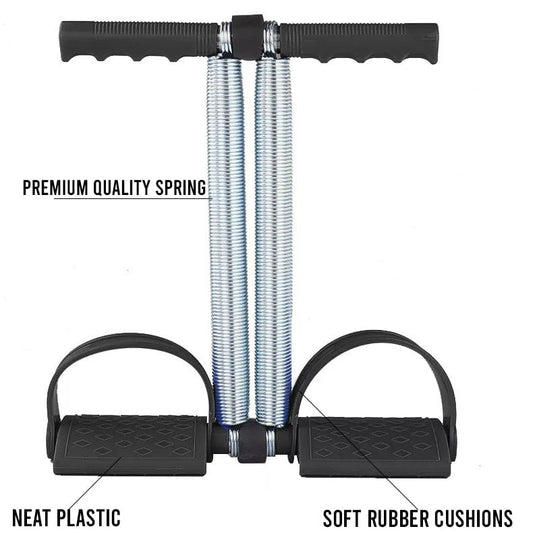
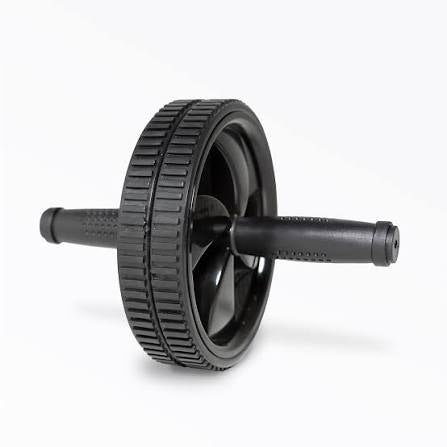
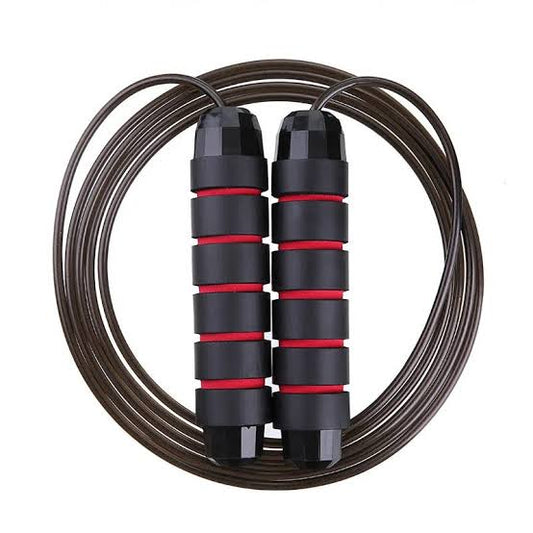
- ✔ The right exercise tools — tummy trimmer, ab roller, skipping rope — target multiple belly fat types effectively.
Why Understanding Your Belly Fat Type Matters
Not all belly fat is the same. The type of fat you are carrying, where exactly it sits, and what is causing it to accumulate all affect what approach you need to take to lose it effectively. Treating the wrong type of belly fat with the wrong approach is one of the main reasons people struggle to see results despite exercising regularly.

In Pakistan, belly fat is extraordinarily common due to a combination of high-carbohydrate traditional diets, sedentary office lifestyles, high chronic stress levels, and hormonal issues that are particularly prevalent among Pakistani women. Understanding which type of belly fat you have is the critical first step toward eliminating it.
🛒 Shop Abs & Core Equipment → 🪢 Buy Jump Rope from Rs. 999 →
The 2 Primary Types of Belly Fat
✔ Type 1: Visceral Fat (The Dangerous Kind)
Visceral fat is stored deep inside the abdominal cavity, surrounding vital organs including the liver, pancreas, and intestines. It is not the fat you can pinch with your fingers — it is hidden deeper inside the body and is responsible for the hard, drum-like, protruding belly that many Pakistani men develop, commonly referred to as a "potbelly".
Visceral fat is metabolically active — it produces hormones and inflammatory substances that directly contribute to Type 2 diabetes, high blood pressure, heart disease, and fatty liver disease. It is medically the most dangerous form of belly fat.
- ✅ How to identify: Hard belly that protrudes forward and does not jiggle or pinch easily
- ✅ Common in: Pakistani men, people with sedentary jobs, heavy roti and rice consumers
- ⚠️ Health risks: Type 2 diabetes, cardiovascular disease, insulin resistance, fatty liver
- ✅ Best fix: High-intensity cardio (skipping rope, treadmill, cycling) + calorie reduction
✔ Type 2: Subcutaneous Fat (The Visible Kind)
Subcutaneous fat sits directly beneath the skin and above the abdominal muscles. It is the fat you can physically grab and pinch. While less medically dangerous than visceral fat, it is the most visible form of belly fat and the type most people want to reduce for aesthetic reasons.
Subcutaneous belly fat is softer, jiggles when touched, and is most commonly found on the lower abdomen, love handles, and above the hips. It is more common in women than men.
- ✅ How to identify: Soft, pinchable fat layer across the lower abdomen and sides
- ✅ Common in: Women, people with low physical activity levels, those on high-sugar diets
- ✅ Best fix: Consistent cardio + core toning exercises + moderate calorie reduction
- ✅ Timeline: Slower to lose than visceral fat — requires 8–16 weeks of consistent effort
5 Additional Recognised Belly Fat Patterns
✔ 1. Stress Belly
Stress belly is caused by chronically elevated cortisol, the body's primary stress hormone. When cortisol stays elevated — as it does in urban Pakistani lifestyles characterised by traffic, work pressure, financial stress, and poor sleep — the body preferentially stores fat around the central abdominal area.
- ✅ Location: Central abdomen, sits above the navel rather than below it
- ✅ Common in: Office workers, high-pressure jobs, insomniacs, urban populations in Karachi and Lahore
- ✅ Solution: Reduce processed sugar and caffeine, exercise regularly, prioritise 7–8 hours of quality sleep
✔ 2. Hormonal Belly
Hormonal belly fat accumulates when the body's hormonal balance is disrupted — particularly oestrogen, progesterone, insulin, thyroid hormones, and cortisol. It is extremely common among Pakistani women due to high rates of PCOS and hypothyroidism.
- ✅ Location: Lower abdomen, below the navel, often described as a "pouch"
- ✅ Common in: Women with PCOS, hypothyroidism, perimenopause, or irregular periods
- ✅ Solution: Medical evaluation first, then consistent low-impact exercise (exercise bike, yoga, tummy trimmer)
✔ 3. Bloat Belly
Bloat belly is not actually fat — it is abdominal distension caused by excess gas, water retention, or digestive issues such as irritable bowel syndrome (IBS) or food intolerances. Many Pakistanis mistake bloating for fat gain.
- ✅ Location: Entire abdomen — fluctuates throughout the day (worse after meals)
- ✅ Common causes: Lentils, wheat, dairy, carbonated drinks, eating too fast
- ✅ Solution: Identify trigger foods, eat slowly, reduce carbonated drinks, try gentle walking after meals
✔ 4. Postpartum Belly
Postpartum belly is the abdominal fat and loose skin that remains after pregnancy. Pakistani women often experience significant abdominal weight gain during pregnancy that is slow to resolve without targeted exercise.
- ✅ Location: Lower abdomen, often described as a "mummy tummy" or "pouch"
- ✅ Solution: Gentle core rehabilitation starting 6 weeks postpartum, then progressive strengthening
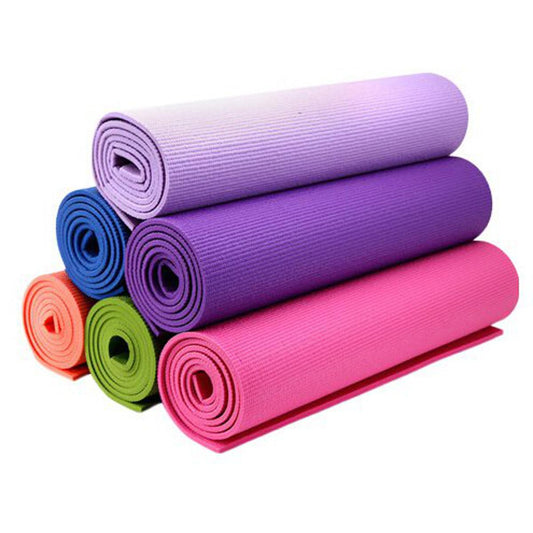
- ✅ Recommended tools: Tummy trimmer (gentle setting), yoga mat, resistance bands, light walking
✔ 5. Alcohol / Diet Belly
The diet belly is caused by excess caloric intake, particularly from sugary drinks, refined carbohydrates (white bread, white rice, sugary chai), and fast food. It combines both visceral and subcutaneous fat and is directly proportional to caloric surplus over time.
- ✅ Location: Entire belly, protruding forward with a mix of hard and soft fat
- ✅ Most directly treatable: Reduce caloric intake + increase cardio exercise
Belly Fat Type Comparison Table
🧘 Shop Yoga Mats at Sonic Sports → 💪 View All Core & Abs Equipment →
How to Identify Your Belly Fat Type at Home
- 01. The pinch test: Pinch your belly — if you can grab a thick layer of soft fat easily, it is primarily subcutaneous fat
- 02. The firmness test: If your belly feels hard and drum-like even when sitting, visceral fat is the primary concern
- 03. The timing test: If your belly is significantly larger after meals but smaller in the morning, bloat is a major factor
- 04. Pattern analysis: Where does the belly protrude most? Central (stress), lower pouch (hormonal/postpartum), or even all over (diet/visceral)?
- 05. Medical check: A doctor can confirm visceral fat percentage — recommended if waist circumference exceeds 90 cm for men or 80 cm for women
Universal Exercise Recommendations for All Belly Fat Types
Regardless of which type of belly fat you have, the following exercise principles apply universally and are most effective when practised consistently:
- ✔ Daily cardio of at least 30 minutes (skipping rope, treadmill, or exercise bike) 5 days per week
- ✔ Core strengthening exercises — ab roller, tummy trimmer, planks — performed 5–6 days per week
- ✔ Progressive overload — gradually increase workout intensity week by week for continued fat loss
- ✔ Pair exercise with calorie awareness — even the best exercise programme cannot overcome a significant caloric surplus
Frequently Asked Questions — Types of Belly Fat
❓ Which type of belly fat is most dangerous?
Visceral fat is the most medically dangerous type of belly fat. It wraps around vital organs and actively produces inflammatory hormones that cause Type 2 diabetes, cardiovascular disease, and metabolic syndrome. If your belly is hard and protrudes significantly, prioritise visceral fat loss through consistent high-intensity cardio.
❓ Can women lose hormonal belly fat through exercise alone?
Exercise significantly helps reduce hormonal belly fat by improving insulin sensitivity, reducing cortisol, and regulating oestrogen metabolism. However, if the underlying hormonal issue (PCOS, hypothyroidism) is not medically addressed, results will be limited. Combine consistent exercise with a doctor's guidance for best outcomes.
❓ Is bloating the same as belly fat?
No, bloating is temporary abdominal distension caused by gas, water retention, or digestive sensitivity. It is not fat and can fluctuate significantly throughout the day. If your belly is larger after meals but smaller in the morning, bloating is likely the primary cause rather than fat accumulation.
Target Every Type of Belly Fat with Sonic Sports
From tummy trimmers for core toning to skipping ropes for high-intensity cardio — Sonic Sports has the right equipment for every belly fat type. 15-day easy returns and Rs. 100 delivery across Pakistan.
🔥 Shop Belly Fat Tools Now 🏋️ Explore All Equipment